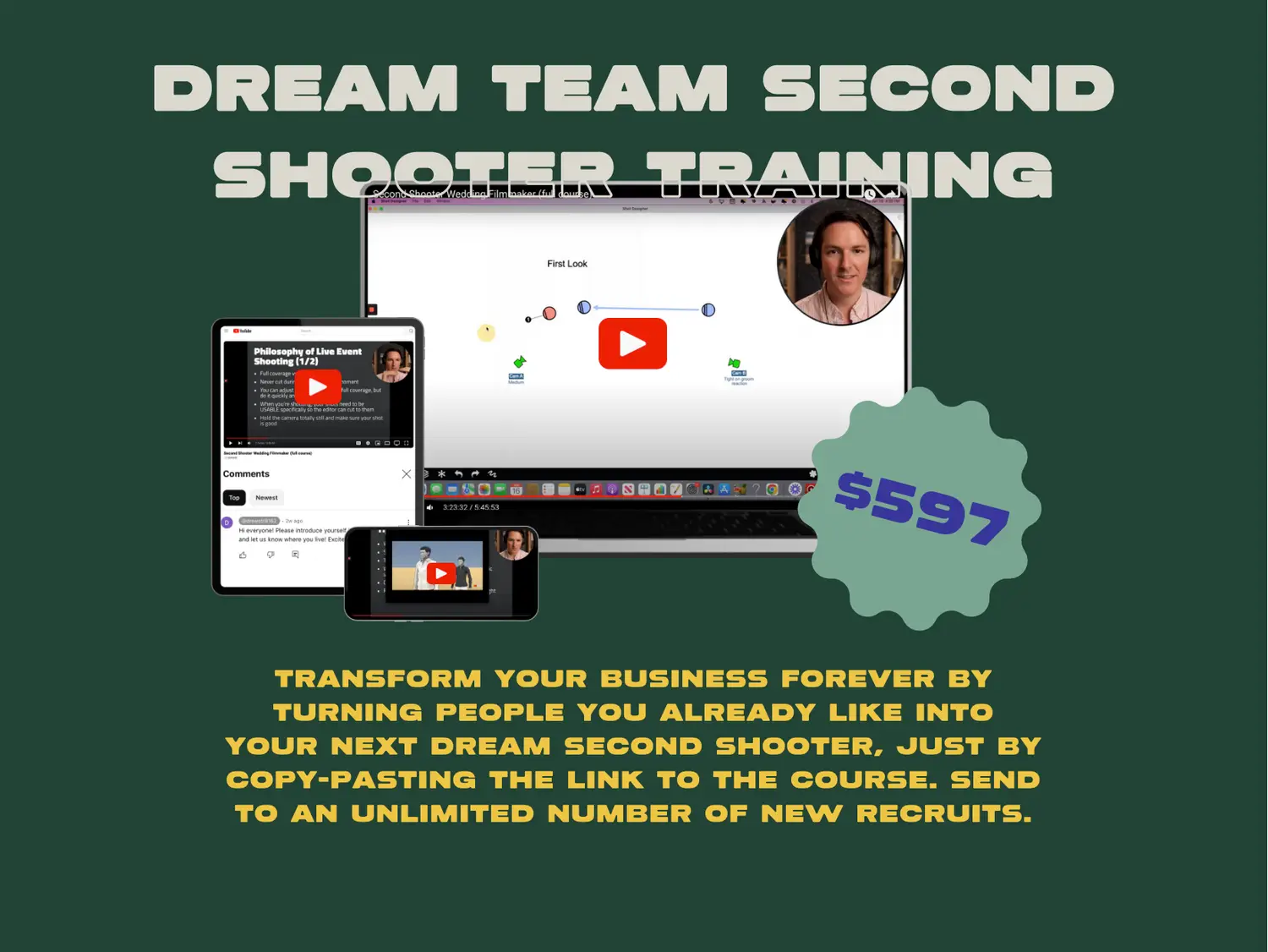
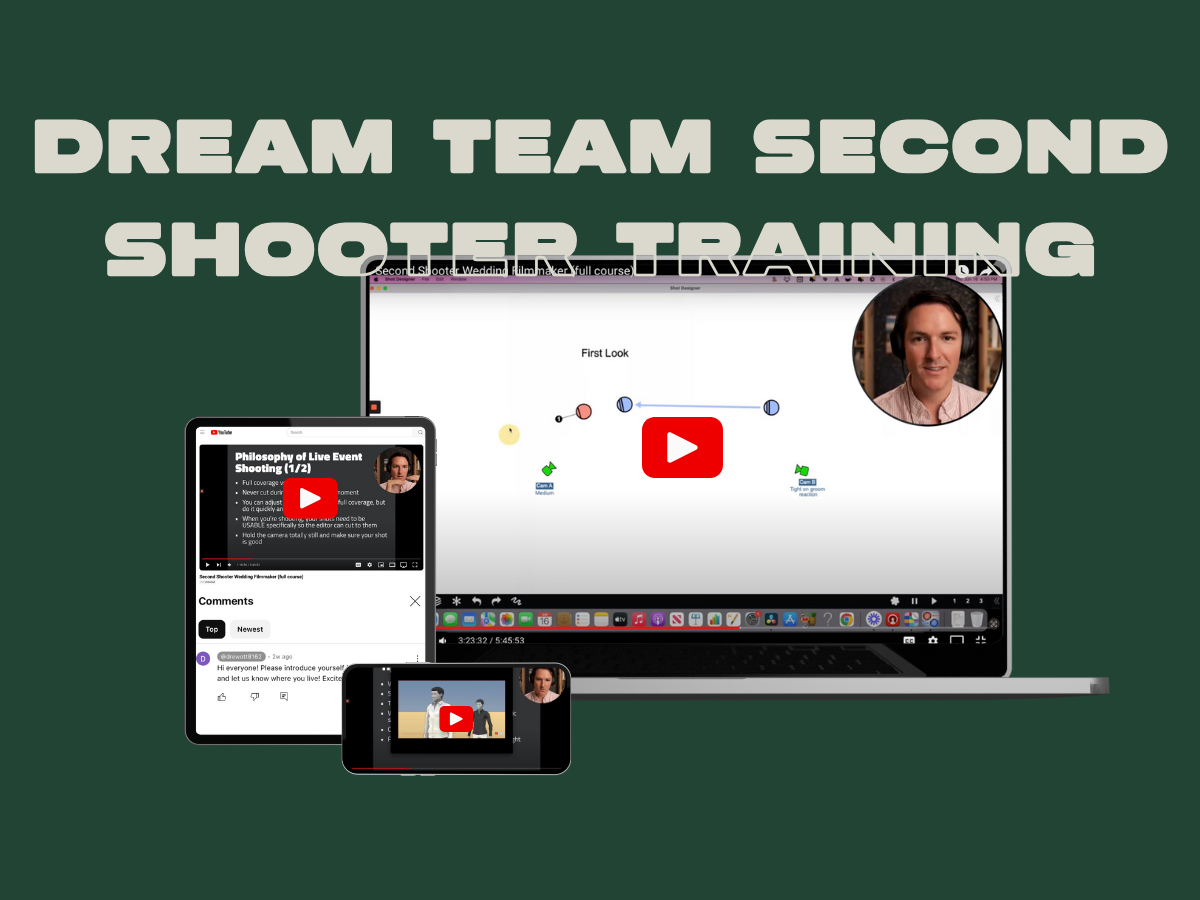
The in-house education system for wedding filmmakers who want to end staffing headaches once and for all
"Everything is amazing! This is all stuff we try to train our second shooters on but it takes hours either during a one-day training session or on the day of at a wedding. This will be so incredibly helpful!" -Megan E., wedding filmmaker
When you purchase, you get TWO things...
A course to train all your future second shooters from scratch (unlimited usage). Dream Team Second Shooter is a complete package to help you recruit, onboard, train, and retain amazing second shooters, so you can scale your wedding business, stop being your business’s primary laborer and instead be the head leader, and (hopefully) one day exit and sell your business if you want. Dream Team Second Shooter is fully ready to go and you’ll receive your access immediately upon purchase.
A mini-course to teach YOU how to grow your wedding teams sustainably through good leadership without it all falling apart. Lead and Scale is 90% ready to go, but I’m waiting to have more one-on-one conversations with all of you before recording the final version. After buying Dream Team Second Shooter course, you’ll also want to know how to actually USE it for your business, and the Lead and Scale mini-course will be the guide for that.
You just booked a wedding that's six months from now, so you start looking for a second shooter right away. Immediately you text Jonathan, your go-to second shooter, but he writes back:
"Sorry, I'm already booked."
Damnit, Jonathan, I'm the one who spent four years training you and now you're BOOKED???
Now you text Kaitlin, who's good except for when she has a "personal emergency" (her dog has a stomach ache) and has to cancel last minute—which she's already done to you twice. She replies:
"Guess what!? I finally booked my first wedding for my own company and it's on the exact same date! I'm nervous but excited!! Yay!! It's finally happening!"
Damnit, Kaitlin! I bet you're gonna use those LUTs I told you about and copy my whole aesthetic too! Classic!
Now a week has passed, you've been stressing every day about this, and you're digging lower and lower on your list of backups.
With no one else on your roster, you're forced to text Bradley, the guy who was aggressively hitting on the bridesmaids last time he worked for you, and he was doing it so inappropriately that the bride had to tell you about it after the wedding. "Oh no, I'm so sorry," you told her in horror. You swore you'd never hire him again, but here you are, crossing your fingers that he's available. You tell yourself you'll just have to keep a close eye on him this time.
"Sorry, I'm going to Hawaii in October so I won't be around that weekend."
WTF! Even Bradley isn't available!?
Now you're starting to go slightly insane:
I wonder if my 7 year old son is ready to start shooting. He has a good eye. Or, maybe I could strap a GoPro to our dog and call it art... no, no, what if he bites a guest?
A month has passed and that date in your calendar still says "NEED SECOND SHOOTER." It's been in the back of your mind the entire time.
Not only is this wedding a nightmare, you're now struggling to imagine how you're ever going to grow a thriving business with this massive constraint holding you back every time you book a wedding.
You start posting on Facebook groups, asking friends for referrals, and are thinking of flying in a stranger from a neighboring state.
And if you do, you know there's a high risk that they'll be even worse than everyone else. You have no idea if they're even going to show up, if they'll smell bad and stink up the bridal suite, or if any of their footage will be usable.
Believe it or not, this is the common experience for even the best wedding filmmakers in the world.
Ray Roman once wrote that the hardest part of being a wedding filmmaker is finding a great second shooter. It's true. I've personally known dozens of wedding filmmakers who've been in business for 10, 20, and even 30 years who still can't get their staffing issues under control.
If you simply had a large roster of reliable shooters, everything would change for your business. You could work with your favorite people, send out extra teams that double your profits, and have so many great backup shooters that even you could take the weekend off whenever you wanted.
But why is it so hard to find great second shooters? Below I will share the three types of second shooters you DON'T want, before explaining the one type you DO want.
Ambitious beginners plan to launch their own companies as soon as they have the skills to do so. They are using your company's weddings as their training grounds. They seem great at first, and it often feels like love at first sight. They might work with you for 5 weddings while you imagine they're going to solve all your staffing problems forever, only for them to ghost you as soon as they start their own company or find more ideal work. It goes like this: they do a mediocre job for the first 3 or 4 weddings while you teach them everything you know, they finally do a great job on the 5th wedding, and then they never come back for a 6th. You had high hopes for them, and always have a mini-heartbreak when they leave.
Untalented lifetimers are shooters who can't succeed at running their own business and struggle even to work for others. This person is just not good at shooting, so they stick to second shooting and can barely do a good job at that. These folks are always around if you have a last minute cancellation, but their work and performance is always underwhelming. You'll use them in a pinch, but you know that it's holding back your company. They cause you to deliver subpar work, and you don't feel excited when you're shooting with them.
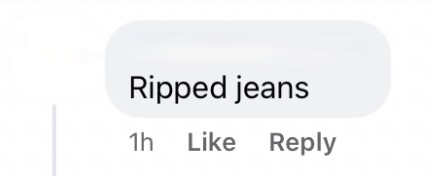
Weirdos are the shooters whose careers are held back by poor social skills that they aren't aware of (talks way too much to the guests, never brushes teeth, poops in the bride's toilet (lol), refuses to listen to instructions, wears ripped jeans, gets drunk on the job, etc.). Weirdos are sometimes talented shooters, but they're a major liability for your brand, and are the most dangerous people to have around.
A "unicorn" is the rare person who is HAPPY to only be a second or associate shooter, forever, and doesn't ever want to start their own business. They are a professional, competent, reliable person with great social skills.
Unicorns are hard to find because 99% of second shooters are ambitious beginners, untalented lifetimers, or weirdos.
So...
If you want to find a unicorn, you won't find them from the existing pool of second shooters. Instead, seek out people with the right personality traits and lifestyle goals who have no prior videography experience. Then, train them from scratch.
A "Unicorn" is a talented, reliable second shooter who never wants to start their own wedding business, and has no other filmmaking ambitions. They are always eager to work with you, and they're never planning to quit.
By adding Unicorns to your team, you can start to put your business on autopilot, and get out of the grind of searching for a new contractor every time you book a wedding.
But Unicorns are extremely hard to come by in the traditional pool of videographers. Why? This is because 99% of second shooters are one of the three BAD types: ambitious beginners, untalented lifetimers, or weirdos.
Here's the key insight: If you want to find a Unicorn, don't look for experienced second shooters. Instead, seek out people with the right personality traits and lifestyle goals who have no prior videography experience. Then, train them from scratch.
By recruiting people unfamiliar with the industry but who have the right attributes (reliability, talent, and a desire for weekend-only work), and then training them yourself, you're more likely to find your Unicorn—a long-term, dependable team member.
This is where our training course comes in. It provides you with the tools to transform these promising individuals into skilled second shooters, helping you solvie your staffing challenges for good.
I have put together the best training in the world that teaches anyone how to become a second shooter. It takes only six hours of instruction—or three hours if they listen at 2x speed.
This is not your typical "How to be a videographer" training that covers basic camera operation, which you can already find in abundance on YouTube or in other courses.
Instead, I focus on teaching what others consider "unteachable"—the intangibles and soft skills that wedding filmmakers often lack the time or patience to teach new hires.
I'm talking about non-negotiable social skills, such as how to:
Your recruits will learn how to enhance your company's reputation by being awesome to work with, rather than risking embarrassment.
But it's not just that. It's also an advanced deep dive into the fundamentals of live event shooting.
You may not realize it, but most brand-new second shooters have no idea how event videography works. They don't understand how different camera angles are cut together or how cameras interact. Typically, it takes about 20 weddings of on-the-job training to get a new videographer up to speed—if they ever do.
With our in-house training, you'll shortcut their learning process from years to days.
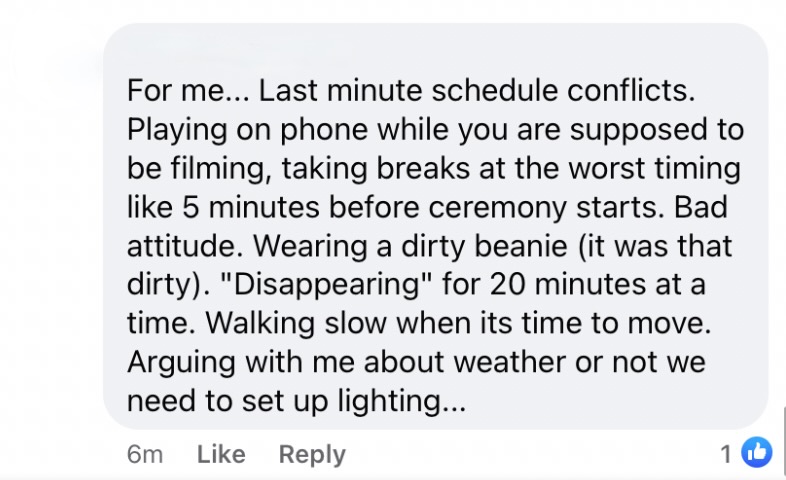
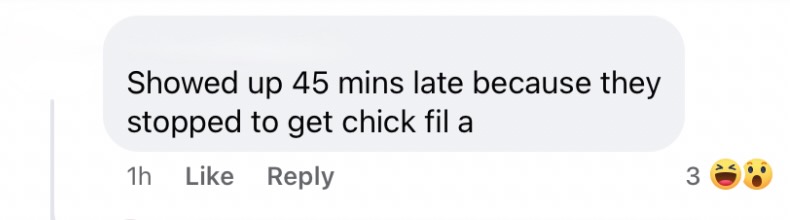
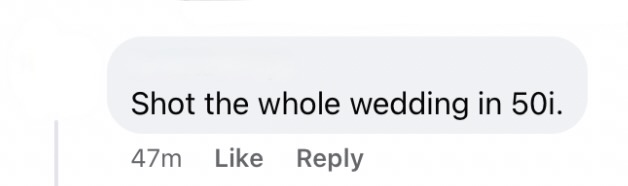
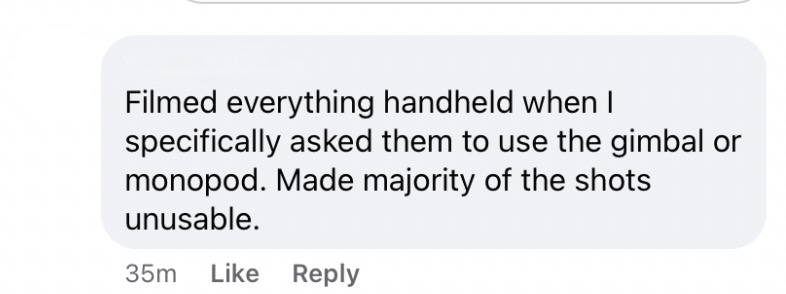
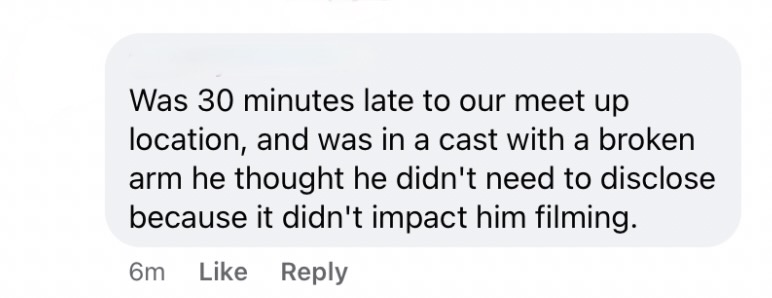
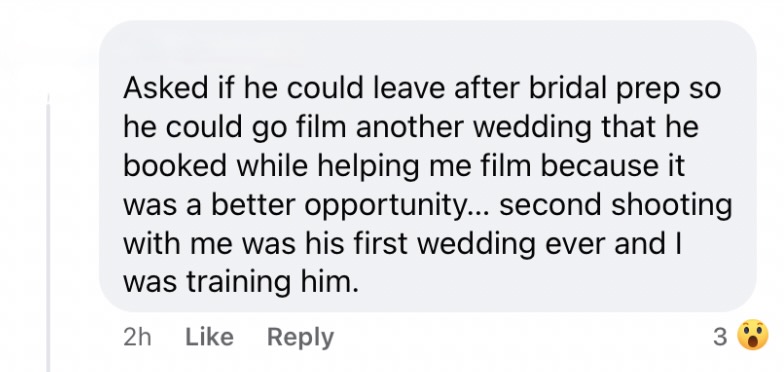
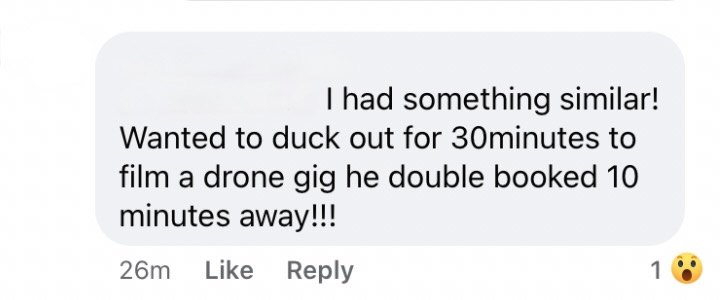
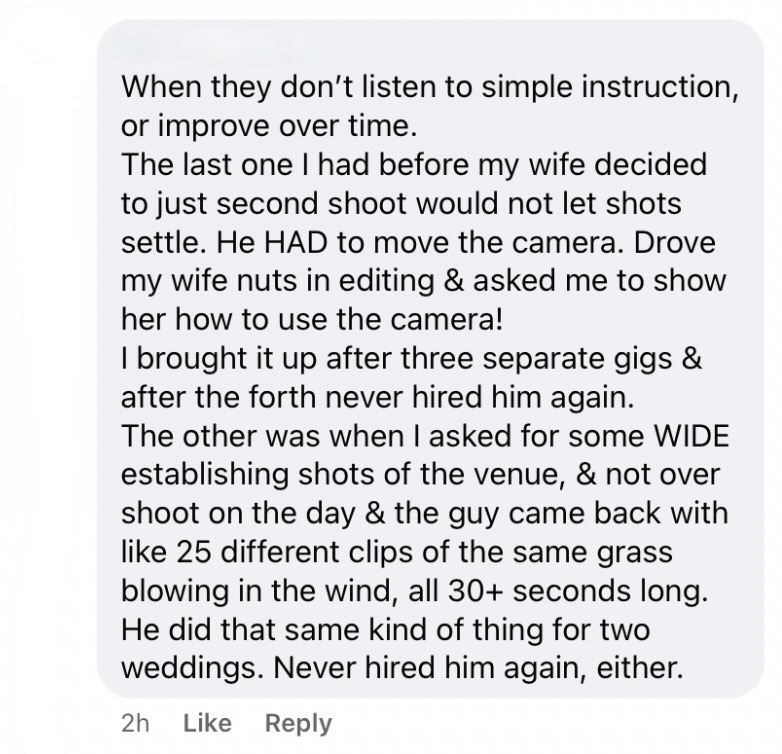
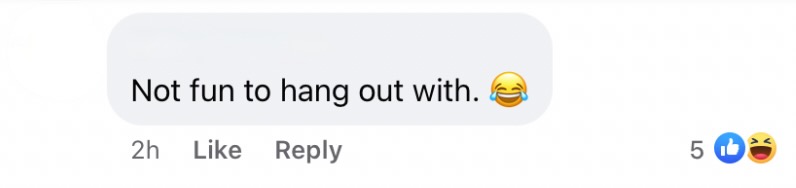
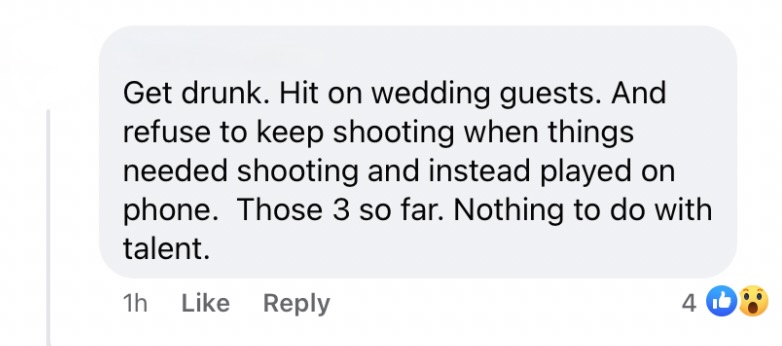
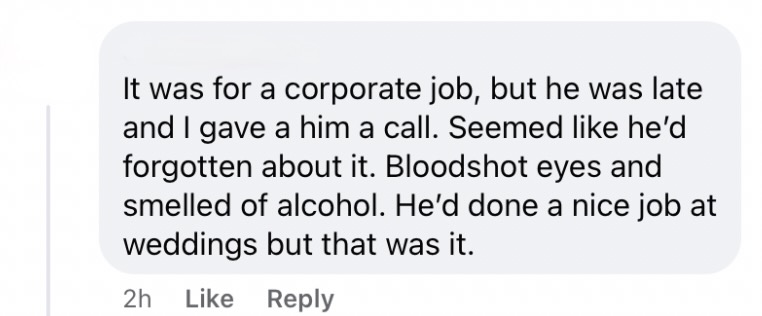
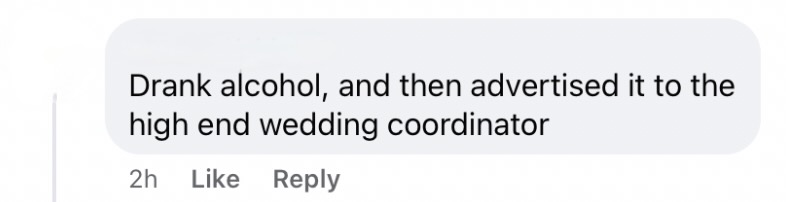
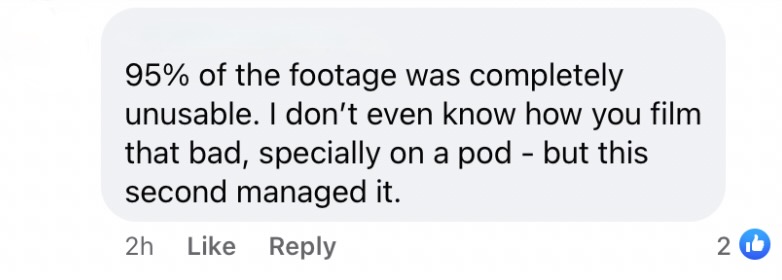
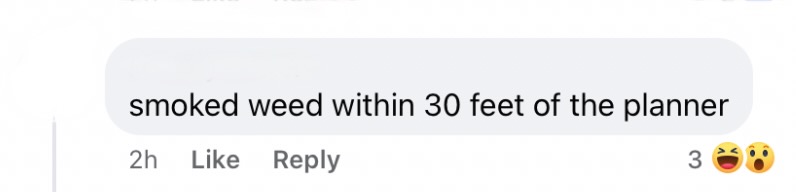
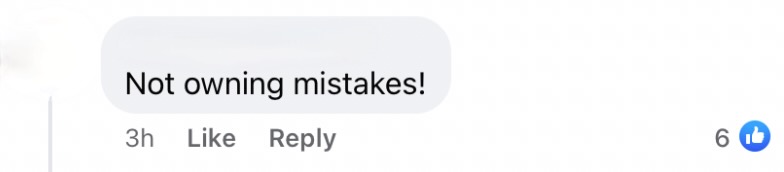
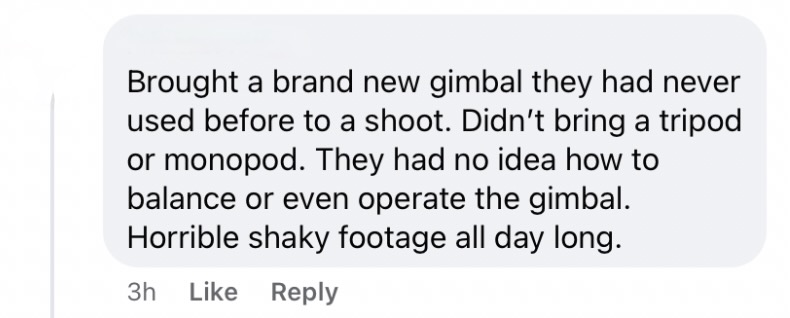
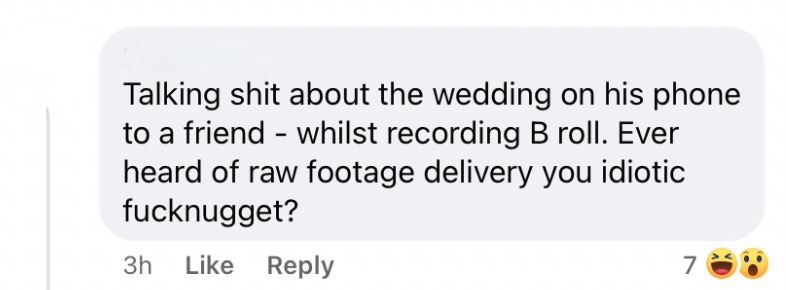
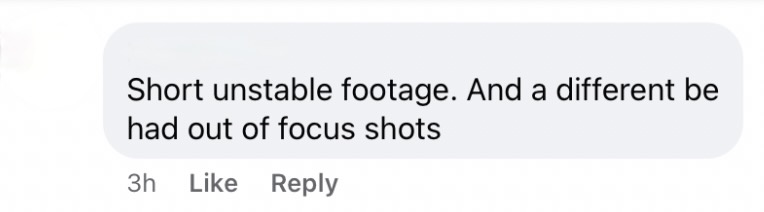
Your answers below! (From a wedding filmmaker Facebook group)
A company that often hired me to associate shoot would send me with a second shooter who was known to be "wild" and uncontrollable. This sounds ridiculous, but it's true. The company in question was extremely successful, and worked with a lot of billionaire clients at extremely sophisticated weddings... mostly due to their close relationship with the coordinator.
The reason they had to hire this guy was because he had all the equipment they needed to allow them to send out second and third teams, and his footage was good. The only problem was that he was "wild."
One wedding when I worked with him, he was running with his gimbal around the dance floor so fast that he kept smashing into guests, including the elderly. One time he even smashed into the photographer, who kept having to dodge him. I told him repeatedly to slow down, but he just kept doing it. I was literally watching guests, photographers, and the coordinator GASP over and over.
Later, when I was sitting with the photographer and coordinator (a "big-shot" coordinator who's tightly connected with all the wealthy families in the city), they were openly discussing how they won't be able to continue hiring my boss if she kept hiring this particular second shooter. He was making absolutely everyone look bad.
Remember, the coordinator is often the one who refers their clients to the vendors, so if a vendor shows up and is acting extremely unprofessional, it not only makes your company look bad, it also makes the coordinator look bad.
I was hired as an associate shooter for a company that was charging $15,000 for a big wedding in Houston. They sent me with a second shooter who they said had worked with them for five weddings so far, and they said that he's pretty good, but I needed to keep my eye on him.
When we arrived at the ceremony, he walked up and asked me, "Hey, they told me I'm only supposed to roll for 10 seconds on each shot. Do I film the entire ceremony, or just 10 seconds of it?"
I smiled. "You roll the entire time."
This guy was not dumb, just poorly trained.
He was a talented videographer delivering great footage, using a gimbal, A7S3, and top of the line lenses. Everything he shot all day was great, from what I could tell.
However, he had never learned the basics of how weddings work. My boss had recruited him based on seeing other non-wedding video work he'd done, but he was new to shooting weddings.
Even after five weddings, he still had absolutely no idea how the event "worked" at the most basic level.
This is why you need in-house training for your second shooters. If he hadn't asked me how long to roll that day, who knows what he would have done during the ceremony.
I was hired as an associate shooter for a company that prided themselves on having a "cool" brand and fun vibes on the wedding day. But I was sent with a second shooter who my boss told me was socially clueless. My boss told me that he was the only person they could find who was available. As usual, I was told to "keep an eye on him."
Throughout the day, he continually tried to crack awkward jokes with the bride and groom, interrupt their time together, and make himself the center of attention. He was just the second shooter. He was visibly making the bride, groom, and guests very uncomfortable, and even though I kept reminding him to stay back, he kept doing it for the entire day.
When I dropped off the footage to my boss, he asked, "How was he?"
I had to say, "Yeah... uh, not good... he did what you warned me he would do... and I tried to tell him to hang back but it didn't work."
The facial expression my boss gave was the purest "cringe" face I have ever seen.
My boss is regularly forced to hire this person, because there aren't enough people available. They will never feel comfortable with having a harsh talk with this person regarding their social skills, because that's too uncomfortable to do with a freelancer.
A very successful wedding filmmaker from Dallas had worked with me a few times.
One year he texted me in April about an October wedding to see if I was available. I wasn't.
Then in May, he texted me again to see if my girlfriend was available (I had just taught her how to shoot). She wasn't.
Then in June he texted again asking if I knew anybody else who might be available to shoot. I didn't.
Then in July he double checked with me to see if I still wasn't available. I still was not.
Then in August he texted my girlfriend directly asking her if she was available. She still wasn't.
I never found out what happened with this particular wedding, but as a trusted shooter in my city, I was constantly fielding texts like these from companies who can't find anyone to work for them. Behind the scenes of most wedding businesses is the chronic stress of never being able to find the proper staff.
Check out the excerpts below so you can get a taste for the quality of teaching contained in the course. Even the content contained in the excerpts alone would massively level up the abilities of most second shooters.
Have you had your eye on a promising person who you think would make a great second shooter, but they know nothing about filmmaking and have no idea how to get started?
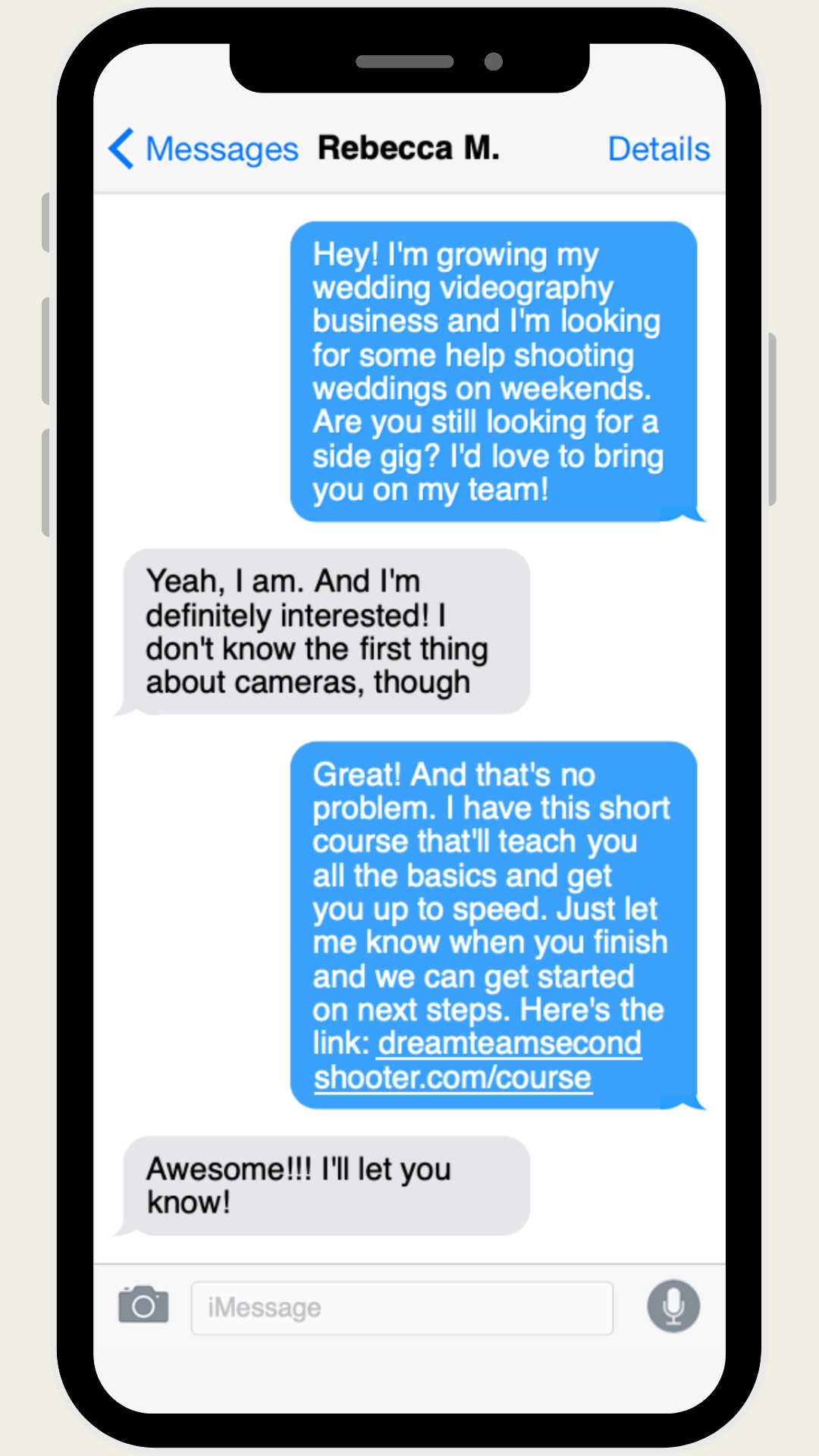
Simply send them a quick text: "Hey! I'm looking for new videographers to work with me on shooting weddings. Would you be interested? It would pay [insert your day rate] and mostly just be on Saturdays. I have a quick course I can send you that would get you up to speed, and then you could show up a couple times for practice. Once you get the hang of it, I'd start bringing you on regularly. And if you want to practice shooting from home, I can let you borrow a camera during the week."
When they reply "Sure, I'd be interested!" you simply copy-paste the link to the video and tell them to reach back out once they've finished watching.
You probably have second shooters who contact you regularly looking for work. But you have little idea how professional, polite, and responsible they are. You can include a required "onboarding" process before you hire any new shooters, which will teach them everything they never learned about social skills and professionalism, and guarantee that they understand all the fundamentals of shooting weddings. This way you don't have to worry about them doing something that will hurt your brand.
Simply reply: "Hey! I'm always looking for new shooters to work with. But before I bring anyone new onto our team, I require that they watch a short course to make sure they understand what's expected of them. Would you be willing to do that?"
If they aren't willing to do that, you just saved yourself from many headaches. If they are willing to do it, you can be assured that this person will be told all the awkward things that you're afraid to tell them: make sure you've brushed your teeth, make sure you wear deodorant, never be late, always be willing to help, don't take egregiously long breaks, work hard, don't bother the guests, etc.
If they're new to the industry, it will also shortcut their training time from years down to days.
Method #3 is similar to #1, except you're going to be inviting a large number of people to potentially join your company.
I've called it the sea turtle method because it's just like how baby sea turtles are hatched by the hundreds, but only the strongest will make it out to the ocean.
You and I both know that many people are lazy and unmotivated these days, so not every person you recruit will make it all the way through the training process to become a great second shooter. Instead of sending the link to just one person, go ahead and send it to 10 different people, and wait to see who completes it. Those are going to be the most motivated people who have the best chance of becoming a member of your dream team.
It's common for wedding filmmakers to want to work with their spouse, their kids, their niece or nephew, or even their mom and dad. These teams tend to be the best ones that last the longest. But often times, even though family members make the best employees for business reasons, it takes extra long to train them. Other times, the family member never gets fully up to speed, and they always rely on the one "expert" to guide them forever, since they have less incentive to become fully independent, and they know there is almost no chance that they'll ever be fired.
Simply send your family member the training, and you'll shortcut their learning cycle by years. You'll also avoid all the tension, drama, and possible fights that can occur when you're forced to tell your family member that they need to work harder or show a better attitude. Let me be the "bad guy" and teach them all those fundamentals so you don't have to.
A few years ago, I was constantly getting asked by wedding filmmakers if I knew any other second shooters. I realized I could teach my girlfriend Morgan how to shoot, so she could earn extra money on the weekends. She had never touched a video camera before, and she wasn't even good at using her iPhone to take photos. She knew absolutely nothing about the wedding industry, nor did she have a clue what my job was like.
After I finished filming the 6-hour training, she watched it so she could learn. She then spent 3-4 hours practicing at home with my video camera, then came with me to a rehearsal dinner so she could practice in real life.
After that, I was hired to second shoot a huge billionaire wedding, and my boss asked if I knew any third shooters, because it would be a huge event. I told him that my girlfriend was brand new, but that her footage was good and she knew exactly how weddings worked. He agreed to hire her, and so she came with me to a 3-day wedding on the coast of Texas.
Once she'd gone through that experience, she was already in extremely high demand as a second shooter. Not only was her footage great— she had great "bedside manner" with the bride, and it was highly beneficial for companies owned by men to be able to send a woman into the bride's room.
These companies began to hire her for their $6k-$15k budget weddings as their second shooter every time I wasn't available. And she had only been shooting for a few weeks in total. This is because she had gone through the 6-hour training that made her have the professionalism and social skills of someone who'd been working in the industry for 10+ years, and since her footage was always useable, she became their top choice.
The lesson? It's the same as before:
If you want to find a unicorn, don't look for experienced second shooters. Instead, seek out people with the right personality traits and lifestyle goals who have no prior videography experience. Then, train them from scratch.
Instead of choosing a knucklehead freelancer who's always at risk of damaging your brand, it is so much more beneficial to your company to choose someone who is already responsible, professional, and socially intelligent... and THEN teach them videography... instead of trying to teach a knucklehead social skills, responsibility, and professionalism.
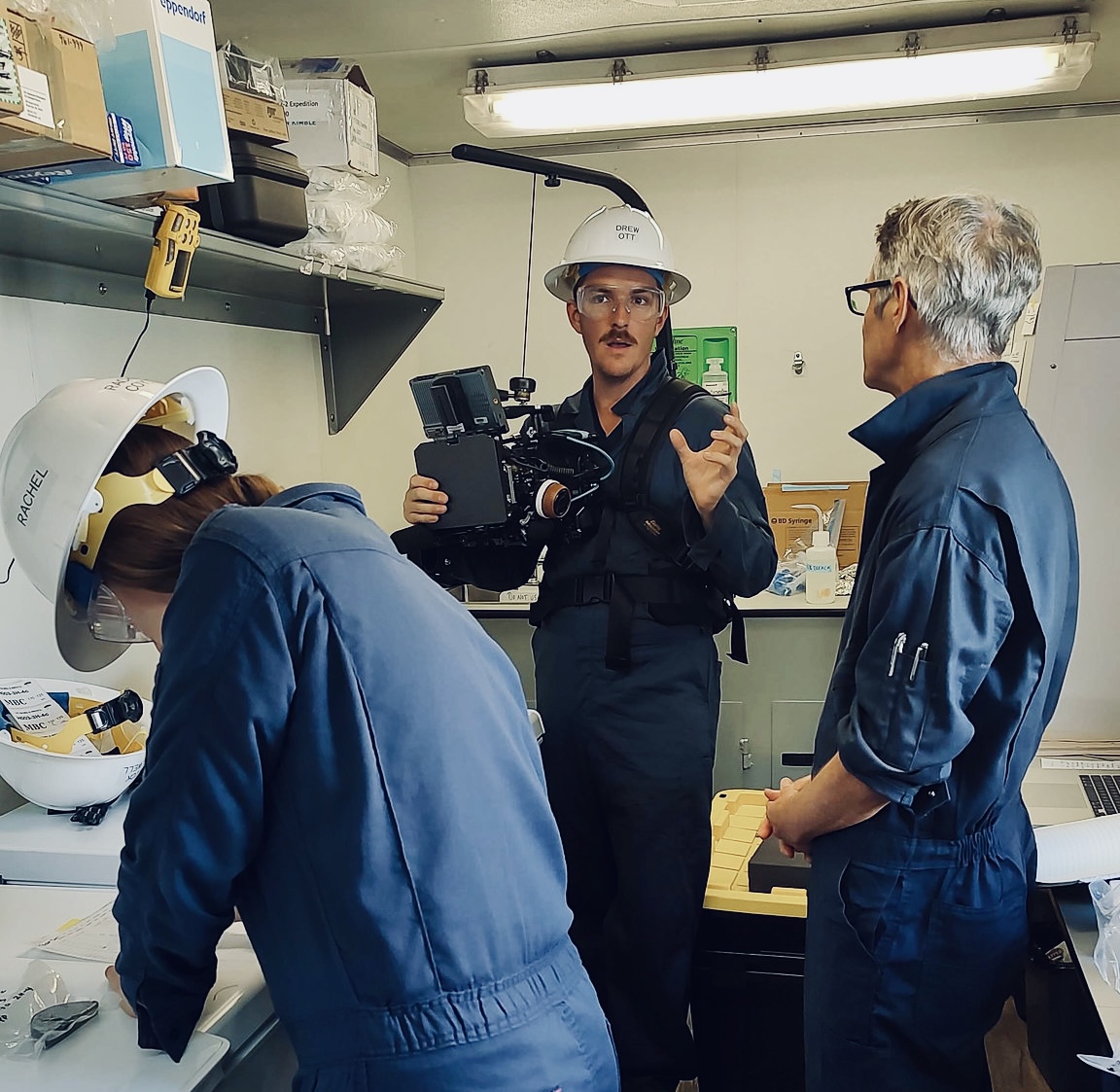
I started second shooting weddings as a 15-year-old in Austin, Texas, back when we shot on HDV tape. My mom would have to drop me off down the street in her minivan. By the time I graduated high school, I was second shooting for the "G.O.A.T." (greatest of all time) wedding filmmaker Joe Simon, who is now a cinematographer on feature films, commercials, and music videos.
I continued shooting for the next 17 years as a second shooter and associate shooter, until I officially "retired" last year. In that time, I shot hundreds of weddings for more than 40 different filmmakers—from brand new wedding filmmakers who don't know what they're doing and charge $1800, to the very best in the world who've been in business for 30 years and charge $40,000. I've filmed U.S. presidents, celebrities, world-famous athletes, and have been inside the personal homes of many of the billionaires in Texas.
As a full-time writer who just did videography on the weekends, my passion has always been for human beings, social life, and social interactions.
Most courses on wedding filmmaking focus on the filmmaking side, but my personal interest has always been in the social side.
After working with so many different companies, I learned something important. Finding someone who can use a video camera isn't the hard part. What's important is finding someone who knows how to handle themselves at weddings, and who can be relied upon to do a great job week after week. Someone who can read the room, stay out of the way, behave appropriately, and still get all the shots you need. The best wedding films come from people who understand both the technical and human side of the job.
I realized I could teach business owners not just how to find people who can use a video camera, but how to find and train people who actually add value to their team and brand. It's exactly what most wedding film companies need to grow and scale, and it's the piece that's been missing from the industry.
When you purchase this course, you're not just buying access for yourself. You're acquiring a business license that allows you to:
This means you can use the course as an in-house training resource indefinitely, without any additional fees or restrictions on the number of people you train. It's a one-time investment in your business's future, giving you the tools to create your own team of skilled second shooters
When you purchase this course, you're not just buying access for yourself. You're acquiring a business license that allows you to:
This means you can use the course as an in-house training resource indefinitely, without any additional fees or restrictions on the number of people you train. It's a one-time investment in your business's future, giving you the tools to create your own team of skilled second shooters.
Disclaimer: This website is not affiliated with, endorsed by, or associated with Facebook, Meta Platforms, Inc., or any of its subsidiaries. Facebook is a registered trademark of Meta Platforms, Inc. The views, opinions, and content expressed on this site are solely those of Drew Ott and are not representative of Facebook or Meta.
Furthermore, Facebook does not sponsor, approve, or review this website or its content. Any advertising on Facebook or Instagram that leads to this page is solely the responsibility of Drew Ott. By using this site, you agree that Meta Platforms, Inc. is not responsible for any claims, damages, or issues that may arise from your use of this site.